

What Health Practitioners Need to Know About Growing Regulatory Scrutiny
South Africa’s healthcare sector is facing increasing regulatory pressure and allied health professionals are not exempt.
From medical indemnity discussions to POPIA compliance and more rigorous documentation expectations, practitioners are operating in an environment where accurate records, accountability, and operational transparency matter more than ever before.
For many independent practices, this shift presents a challenge: clinical care is no longer the only thing under scrutiny. Administrative processes are too.
The Growing Importance of Documentation
Across healthcare, regulators and professional bodies are placing greater emphasis on record-keeping, auditability, and patient communication.
In practice, this means healthcare providers increasingly need to demonstrate:
Accurate patient histories
Clear treatment notes
Proper consent documentation
Reliable billing records
Appointment tracking and communication logs
When disputes arise, whether clinical, financial, or legal; incomplete records can quickly become a liability.
Good documentation is no longer just administrative housekeeping. It is risk management.
Why Manual Systems Create Risk
Many health practices still rely on fragmented systems:
Paper files
WhatsApp messages
Spreadsheets
Manual invoices
Separate calendars
While manageable at small scale, these systems often create gaps in visibility and accountability.
Missed appointments may not be tracked properly. Clinical notes can become inconsistent. Billing records may be difficult to reconcile. Communication history may be scattered across multiple platforms.
As regulatory expectations increase, these inefficiencies become more than operational frustrations, they become compliance risks.
The Shift Toward Digital Accountability
Healthcare is becoming increasingly digital, data-driven, and interconnected.
Whether it is medical aid reporting, patient privacy obligations, or operational audits, practices are expected to maintain clear and accessible records.
Patients themselves are also becoming more informed and expect faster communication, easier access to information, and more professional administrative experiences.
For health professionals, this means practice management systems are evolving from “nice-to-have” tools into essential infrastructure.
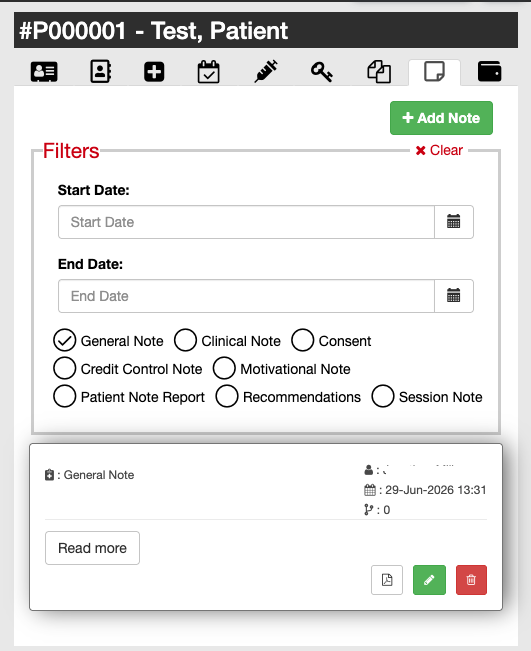
How Practice Software Supports Compliance
Modern practice management platforms like EZMed reduce administrative risk by centralising critical workflows in one secure system.
This includes:
Secure patient records
Appointment tracking
Billing history
Automated invoicing
Communication logs
Centralised documentation
Instead of relying on disconnected tools and manual processes, practices gain a more reliable operational foundation.
Importantly, digital systems also help create consistency. This becomes increasingly valuable as practices grow, add staff, or manage higher patient volumes.
Compliance Is About Patient Trust
Regulatory scrutiny is not only about avoiding problems. It is also about improving professionalism and patient confidence.
Patients want reassurance that their information is handled securely, appointments are managed properly, and communication is reliable.
Practices that invest in operational systems are often better positioned to deliver that experience consistently.
Preparing for the Future of Healthcare
South Africa’s healthcare environment is changing rapidly. Administrative accountability, digital record-keeping, and operational transparency are becoming standard expectations across the sector.
For allied health professionals, adapting early may provide a significant advantage — not only from a compliance perspective, but also in creating more efficient, scalable, and patient-centred practices.
The future of healthcare will not only be shaped by clinical excellence, but by the Healthcare practice administration tools that support it.